
Neuro Dietetics

Tailored nutrition support to aid recovery and overall health.

About Neuro Dietetics

Nutrition can play an important part in neurological recovery, long-term health and day-to-day wellbeing. Changes in appetite, weight, energy, swallowing, digestion or the ability to prepare meals can make it difficult to maintain a balanced diet after a brain injury, stroke or neurological diagnosis.

At Resilience Neuro Specialists, our neuro dietetics service provides practical, evidence-based support for people with complex nutritional needs. Advice is shaped around the person’s condition, lifestyle, rehabilitation goals and home circumstances, helping to make eating and drinking safer, more manageable and more effective.

Appointments are available at home, online and in community settings.
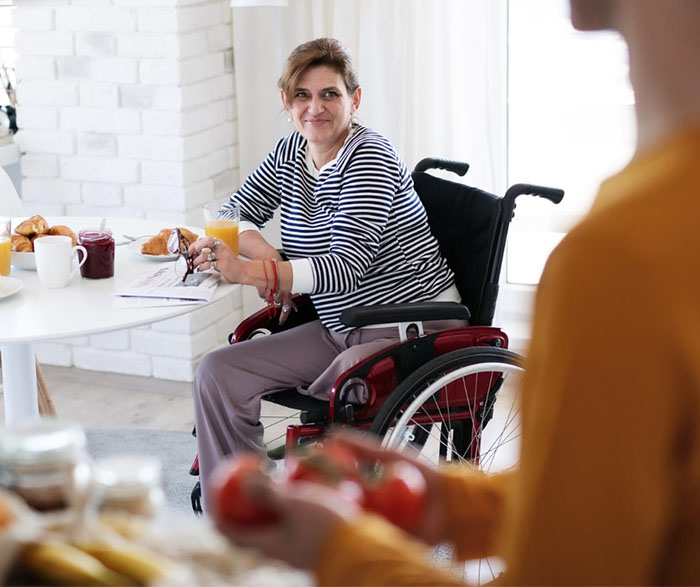
What is Neuro Dietetics

Neuro dietetics is a specialist area of dietetic practice for people whose nutritional health has been affected by a neurological condition, injury or disability.
A neurological condition may affect appetite, taste, energy levels, muscle function, digestion, swallowing, communication or the ability to shop and prepare food.

How neuro dietetics can help

The first step is to understand the person’s current diet, weight history, medical needs, symptoms, medication, activity levels and daily routine. The dietitian may also review blood test results, clinical reports and information from family members, carers or the wider rehabilitation team.

Recommendations are designed to be practical and achievable. They may include changes to meal patterns, food choices, portion sizes, fluid intake or the nutritional content of meals. Where needed, the dietitian may advise on oral nutritional supplements, fortified foods, tube feeding or specialist dietary requirements.

For people with swallowing difficulties, the dietitian can work closely with a speech and language therapist to make sure meals are both nutritionally appropriate and safe to eat and drink.

Who can benefit?

Specialist neuro dietetics may be helpful for people experiencing:

  • Unplanned weight loss or poor appetite
  • Weight gain linked to reduced mobility, medication or changes in routine
  • Difficulty meeting energy, protein or fluid needs
  • Fatigue that may be affected by eating patterns or nutrition
  • Swallowing difficulties or a modified-texture diet
  • Tube feeding or enteral nutrition needs
  • Constipation, diarrhoea or other digestive difficulties
  • Nutritional deficiencies or concerns about blood test results
  • Diabetes, high cholesterol or other health conditions alongside a neurological diagnosis
  • Difficulty planning, shopping for or preparing balanced meals
  • Changes in taste, smell or food preferences after illness or injury
  • Complex nutritional needs following brain injury, stroke, spinal cord injury or progressive neurological disease

Support can also be provided to relatives, carers and support teams who are responsible for shopping, meal preparation or mealtime assistance.

Outcomes you can expect

The goals of dietetic input will depend on the individual, but may include:

  • Maintaining or restoring a healthy weight
  • Improving energy and protein intake
  • Supporting wound healing and physical rehabilitation
  • Reducing the risk of malnutrition or dehydration
  • Managing tube feeding safely and effectively
  • Improving bowel health and digestive symptoms
  • Supporting diabetes, cholesterol or cardiovascular health
  • Making meals easier to plan, prepare and manage
  • Improving confidence around food and nutrition
  • Supporting greater independence with eating and drinking

Progress can be reviewed over time, with recommendations adjusted as the person’s health, mobility and rehabilitation needs change.

Book a Discovery Session

Discover how personalised neurorehabilitation can support your recovery. Our 90-minute Neurotech Discovery Session offers an opportunity to try our advanced rehabilitation technology, receive a personalised movement assessment and explore how physiotherapy or occupational therapy could help you achieve your goals.

Interested in another kind of therapy? Get in touch with our friendly team to discuss your needs, explore your options and agree the best next steps.

Practical advice built around real life

Our dietitians recognise that good nutrition is not simply about providing a meal plan. Neurological conditions can affect memory, motivation, fatigue, mobility, communication and the ability to make decisions, all of which may influence eating habits.

We therefore consider the person’s full circumstances, including who prepares their meals, what support is available, any cultural or personal preferences, their budget, daily routine and the practical demands of their condition.

Support may include:

  • Comprehensive nutritional assessment
  • Weight management and malnutrition prevention
  • Meal planning and food-first advice
  • Oral nutritional supplement recommendations
  • Hydration support
  • Enteral feeding and tube-feeding management
  • Advice on texture-modified diets
  • Management of constipation and digestive symptoms
  • Support for diabetes and cardiovascular risk
  • Education for family members, carers and support staff
  • Written guidance for care and rehabilitation teams
  • Joint working with speech and language therapists, occupational therapists and other clinicians

Once we receive a referral, we will review the main nutritional concerns and identify the most suitable type of assessment. This may involve a clinic appointment, a home visit, discussion with carers or review of relevant medical and rehabilitation information.

The dietitian will then provide clear recommendations based on the person’s clinical needs, preferences and daily circumstances. Follow-up appointments can be arranged where ongoing monitoring or adjustment is required. Dietetic input can be provided as a standalone service or as part of a wider multidisciplinary rehabilitation programme.